Posts tagged ‘efficient’

By Team Lenspeed

350km covered in two days in Singapore. Where on earth did we go?

IMG_7558

To be honest, Volkswagen’s Polo would be an unlikely contender in Lenspeed’s fast fleet. But focusing on its driver-centric values would be absolutely ridiculous, as it’s engineering is purely based on delivering maximum miles per tank of fuel.

Neatly wedged just under the base-spec Golf, this Polo features a 1.2-litre turbocharged unit churning out 89bhp and 160Nm. That doesn’t sound like much in modern day speak. But VW has a tendency to create products that administer more than paper numbers might suggest, and this Polo is no exception.

What we like about it is the manner in which it accumulates pace effortlessly, gathering a keen sense of flow even over harsh tarmac. We reckon this primarily stems from the 15-inch tyres measuring no wider than 185mm. It’s not groundbreaking engineering – just a simple formula that made cult cars so effective two decades ago.

Narrow tyres, responsive chassis and an urgent engine were the ingredients found in a hot hatch back in the old days. This Polo will not exactly set your pants on fire, but a relatively featherweight frame and minimal rolling resistance from the rubbers is no doubt a good step back in time to deliver honest driving rewards.

Practically covering all expressways during the off-peak period, we had the chance to figure out just how efficient this Polo is. We managed to clock 22km/l over the course of 350km, with 80% covered on the highway. And we reckon it could achieve well over a 1000km with 45 litres of fuel if we extrapolate the data. Simply stunning figures for a petrol motor. VW’s BlueMotion technology still renders old school petrol engines extremely effective, even with the proliferation of electric motors. Well played, Volkswagen.
Leave a comment

By The Lenspeed Team

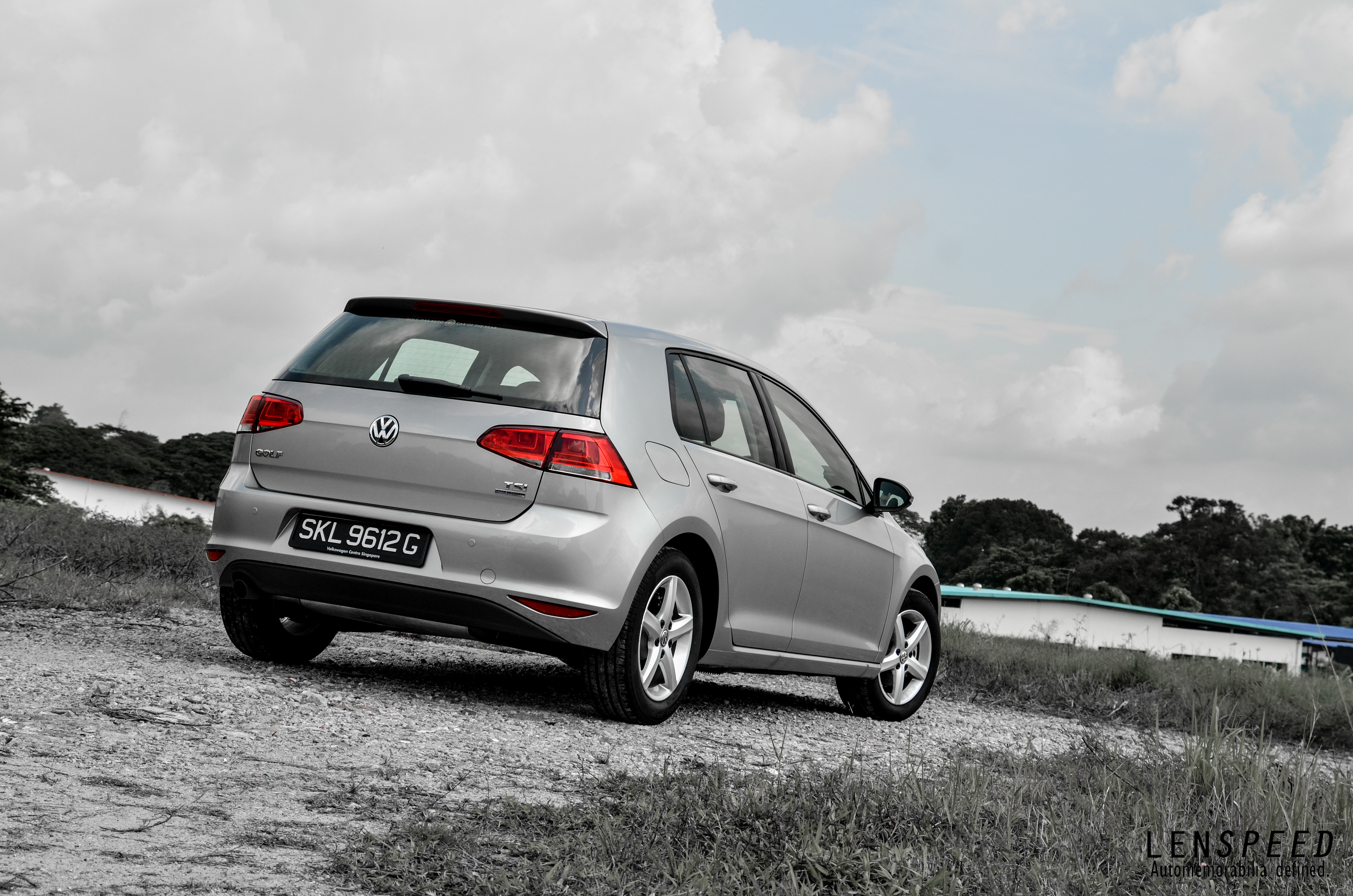
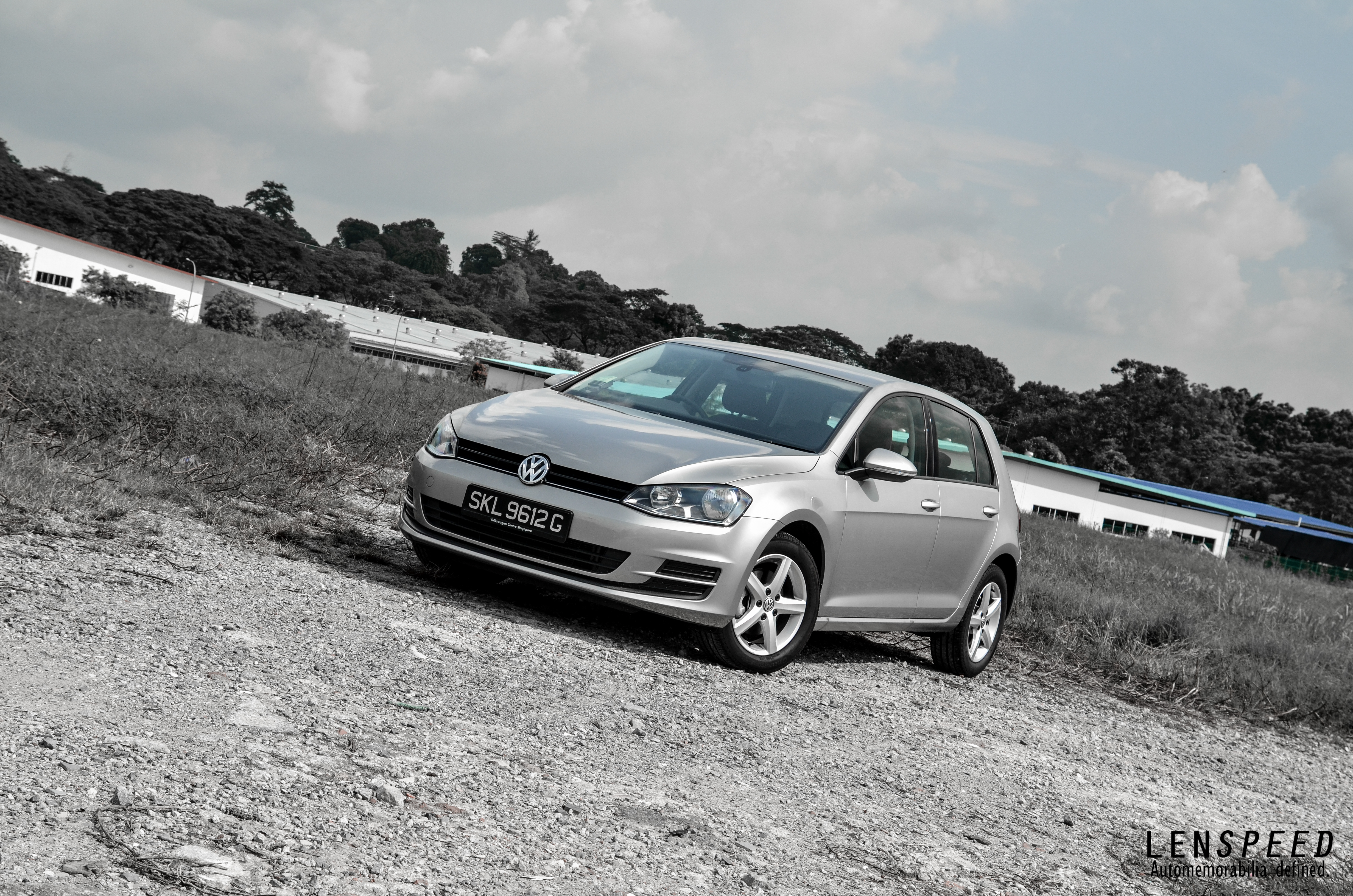
Can Volkswagen’s Golf in base spec trim deliver more miles for the money in its bid to capture mass-market appeal?

DSC_0217

When Volkswagen Group Singapore (VGS) broke the news to us regarding the introduction of a smaller capacity Golf, the Lenspeed team wondered if this could be VW’s secret weapon to drive sales, especially with restrictions and taxes impeding the market’s desire to acquire large capacity haulers. A small turbocharged unit fitted in a practical Golf. A marketing stroke of genius, perhaps?

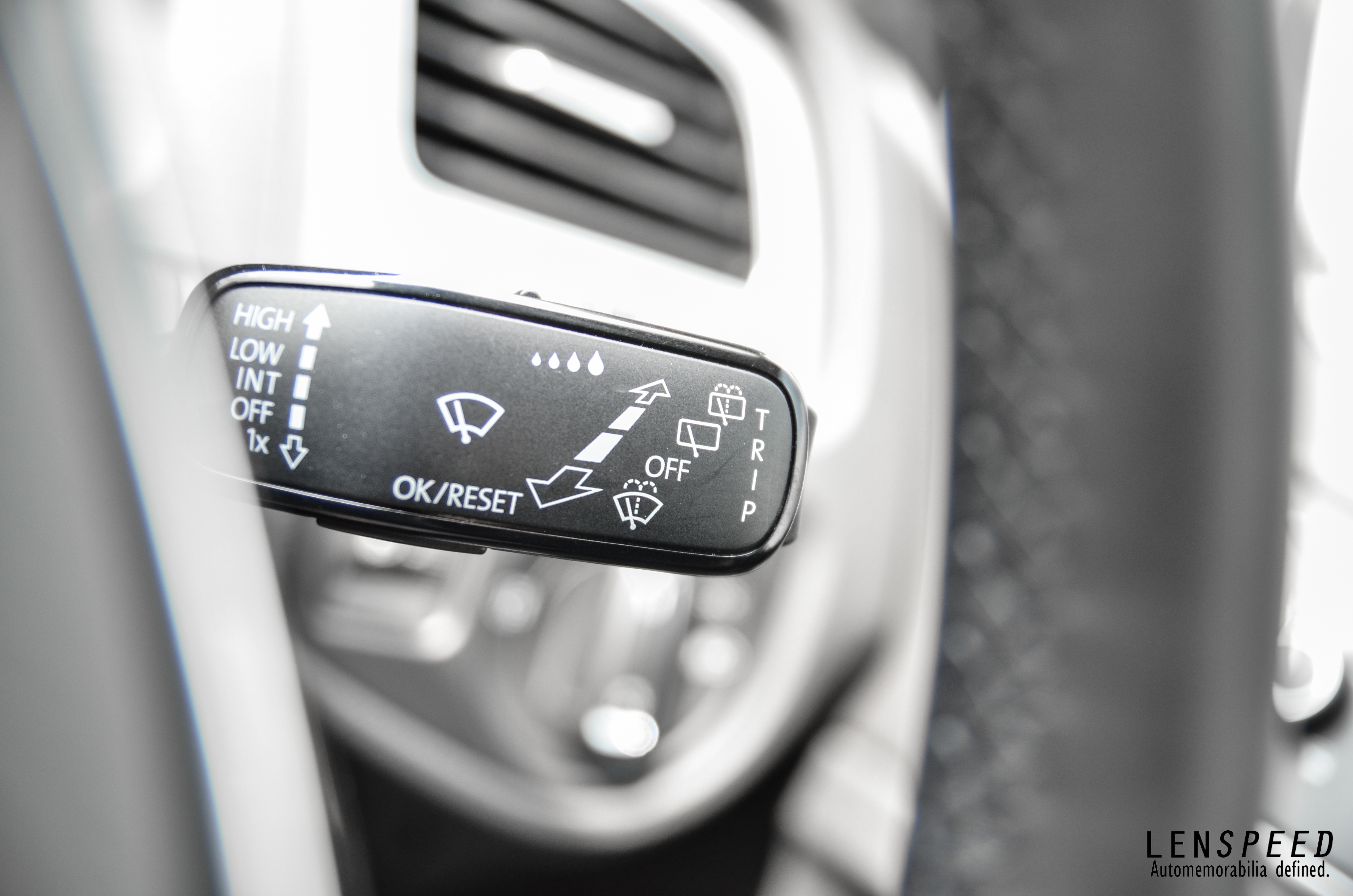
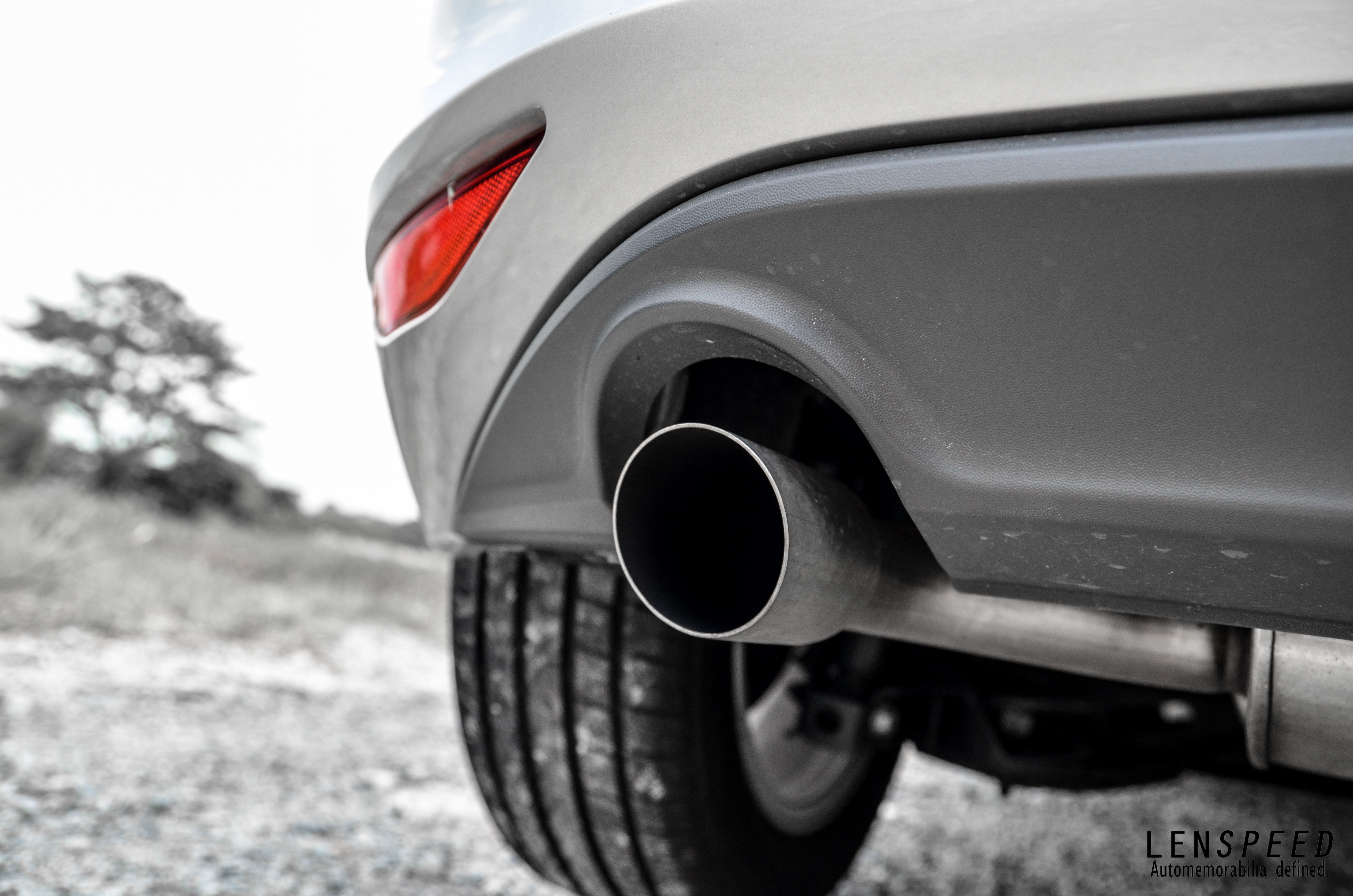
While this reduction of engine capacity to 1.2 litres to complete VW’s petrol Golf hierarchy at least in the local market tells most of the story, drivers will also not receive standard features found in the 1.4 TSI Golf specified with an “Equipment Pack”, or “EQP” in VGS speak. Lack of keyless entry, an 8-inch touchscreen display, “Park Assist”, LED daytime running lights, bi-xenon headlamps with cornering lights, sunroof, 18-inchers and twin tailpipes might be deal breakers for some, but we at Lenspeed feel that a Golf in its most fundamental trim level has its own appeal. It directs the focus to one that supplies affordable and a fuss free mode of transport in a constructive and practical manner, just like how it was set out to accomplish back in the 70s with the Mk1. The appeal of a Golf based on a unanimous vote from the Lenspeed jury lies in the manner in which it delivers maximum efficiency with minimal fuss.

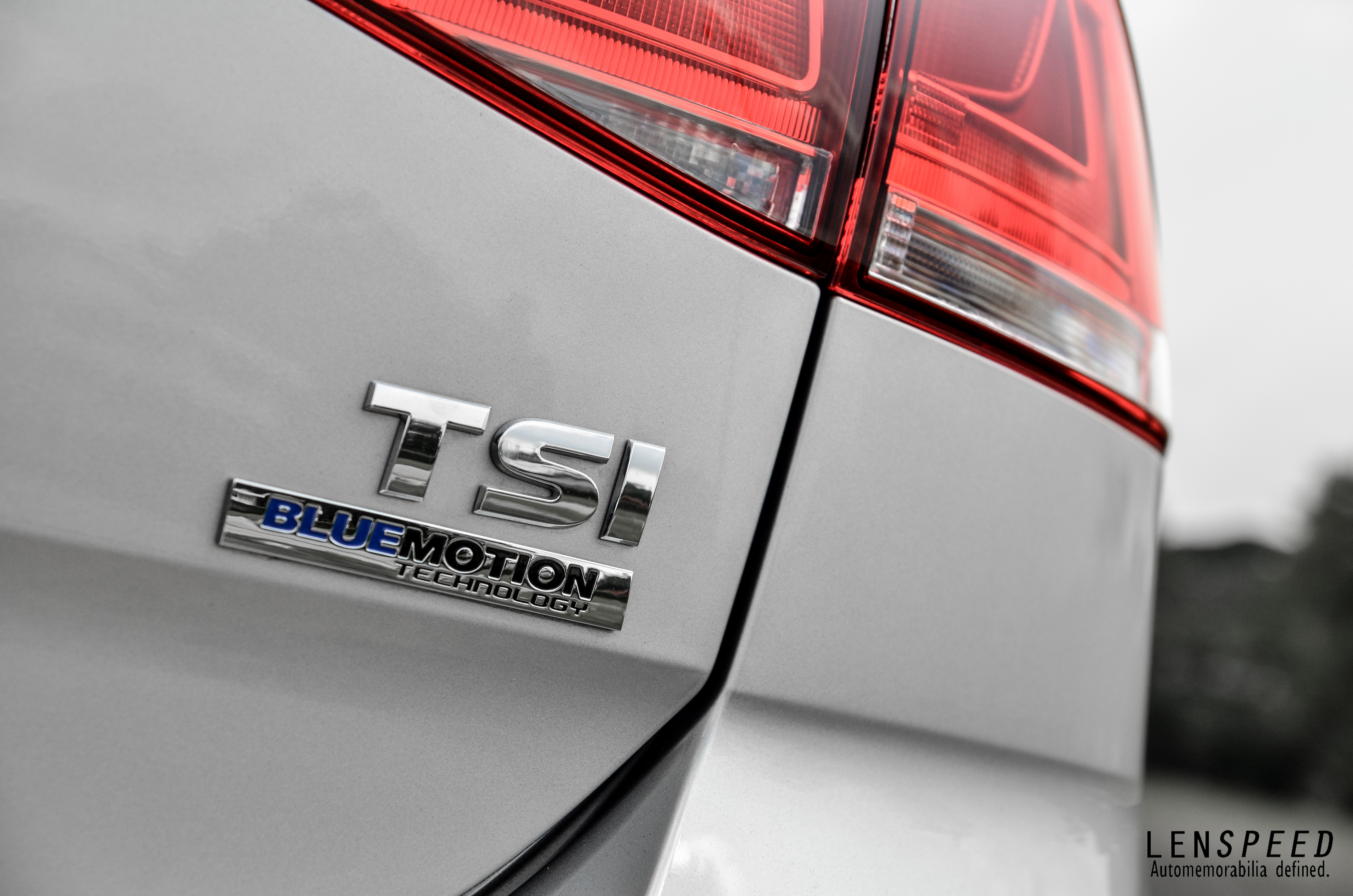
While we can live without these “enhancements”, a crucial tech “upgrade” that would be a huge plus for a car developed to tackle the miles will be the “Coasting” function, which is found only in Golfs equipped with a driver profile selection. What this does is reduce “mechanical drag” by decoupling the engine from the transmission to save on fuel. We tried it in the 1.4 TSI Golf, and it works brilliantly. It’s a perfect basis for comparison here, too. How will a 1.2 TSI Golf (104bhp) with narrow tyres stack up against the slightly more powerful 1.4 TSI Golf (122bhp) with broader rubbers and a “Coasting function”?

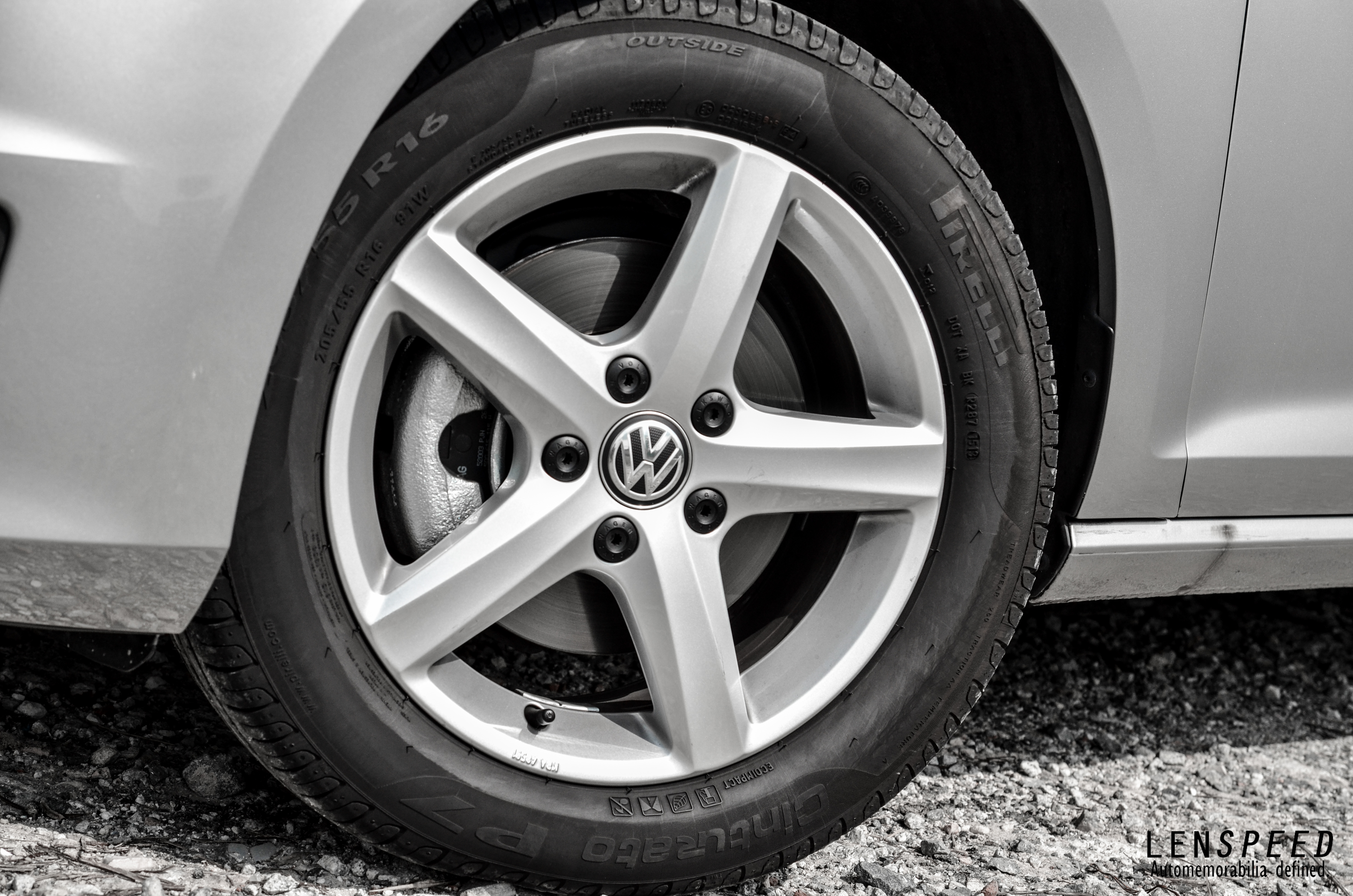
With a tyre profile of 205/55/16 compared to the 225/40/18 slapped on the 1.4 TSI with an EQP trim, you will notice more lean from the chassis as it loads up the front rubbers, but there is always a sense of control even when you embark on more enthusiastic driving. Mid corner adjustability is predictable – you can pitch it in and the chassis conveys a sense of reassurance even when it sways towards slight understeer. And with this encouragement from the driver’s seat you will realise that you can chuck it in at a tempo you would not expect to achieve from a five-seater, 104bhp hatchback. This is primarily due to the manner in which it executes a great deal of “flow” – the suspension works in conjunction with the smooth power delivery to cover ground in an effective manner.

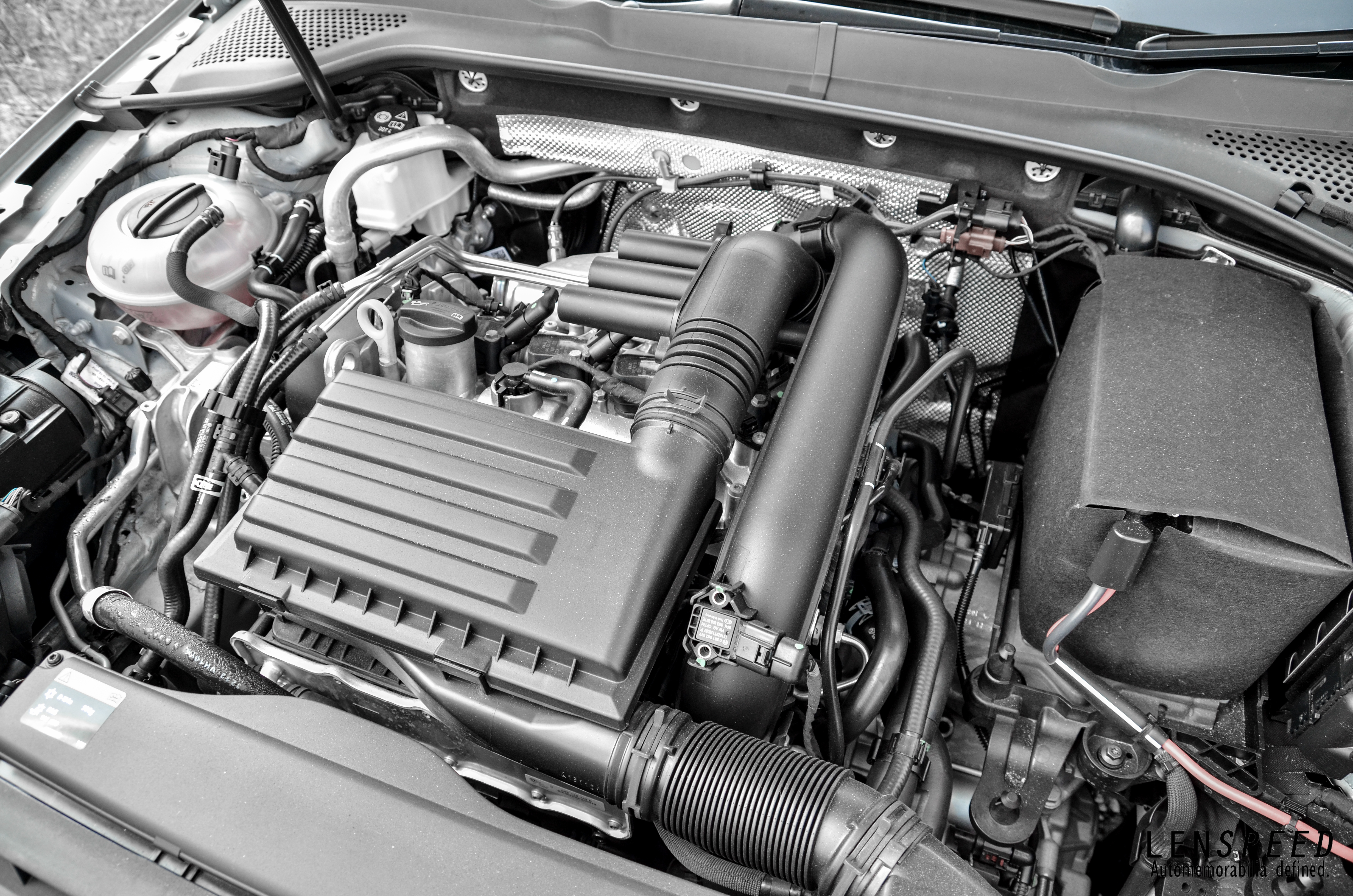
The utilitarian Golf certainly feels more urgent than 175nm of thrust on paper, at least right from the get-go. Sink deep into its wave of torque up to 4000rpm and there is more than sufficient poke to keep up with traffic. It displays its love for the open roads too, settling into a comfortable cruising momentum while holding firmly in the highest gear. We were not able to trouble the upper regions of the rev range as much as we would like to, but there is no question that the 1.2 TSI motor feels at home riding steady with the needle hovering just over 2000rpm in seventh. The stability at freeway speed is superb, and more remarkable is the fact that the motor feels relaxed, belying the pint-sized unit resting beneath the hood.

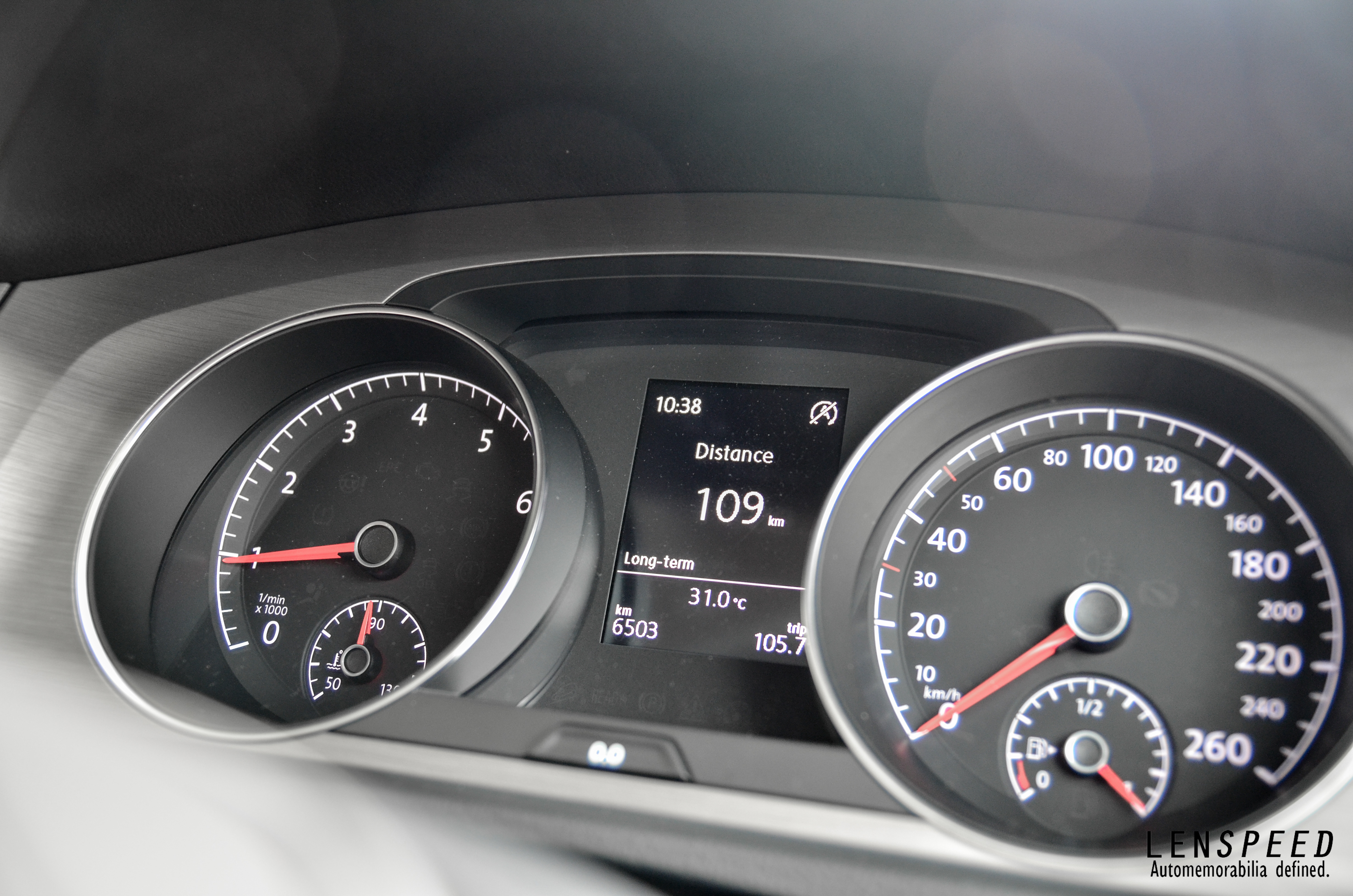
The fuel gauge refuses to settle for less even during more heavy-footed driving, with the MFD consistently recording no less than 12.2km/l even when driven within the congested confines of the central business district. When the roads widen, fuel figures start to land even more in our favour – a 100km, traffic free route yielded 18km/l, not a far cry off VW’s claims of 20km/l. These are numbers that are nearly identical to the 122bhp-powered 1.4 TSI Golf. We anticipated from the start that it would be a fistfight to the finish line, and now we conclude that both are equally efficient haulers and winners in their own right.

At $116,300, it represents superb value considering the current COE landscape. We wouldn’t pitch this variant against premium German hatchbacks though; we even reckon potential buyers of the Mazda 3 (priced at $103k) flocking towards this tempting proposition. And yes, green cars need not be based on diesel motors or even fettled by an electric motor. A simple recipe with ingredients polished by the largest automaker in the world proves that petrol cars can triumph in this relentless pursuit for eco perfection. And indeed, the 1.2 TSI Golf’s main rival might very possibly still be the 1.4 TSI armed with a very neat trick up its sleeve. Nevertheless, both appeal to a different set of consumers. It is astonishing to see how Volkswagen manages to bring forth two similar offers (at least in the local market) without overlaps in the product range – a flexibility that indicates a strong sign of automotive domination. Well played, Volkswagen.
DSC_0253

DSC_0252

DSC_0250

DSC_0240

“The appeal of a Golf lies in the manner in which it delivers maximum efficiency with minimal fuss”

DSC_0237

DSC_0235

DSC_0233

DSC_0224

“With this encouragement from the driver’s seat you can chuck it in at a tempo you would not expect to achieve from a five-seater, 104bhp hatchback”

DSC_0222

DSC_0221

DSC_0219

DSC_0218

“The stability at freeway speed is superb, and more remarkable is the fact that the motor feels relaxed, belying the pint-sized unit resting beneath the hood”

DSC_0232

Leave a comment